Why Your Mowing Crew Leaves the Clippings Behind (And Why Bagging Is Actually Costing You)
7 August 2026
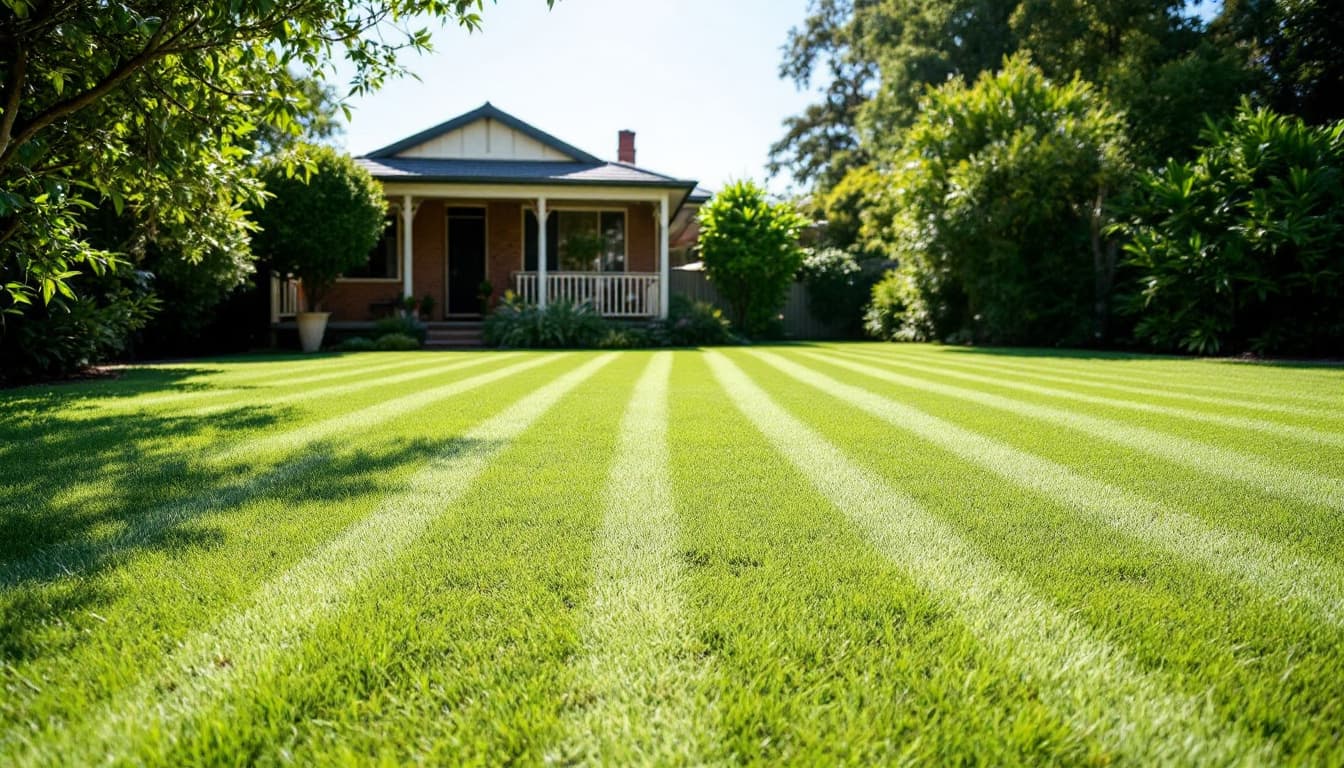
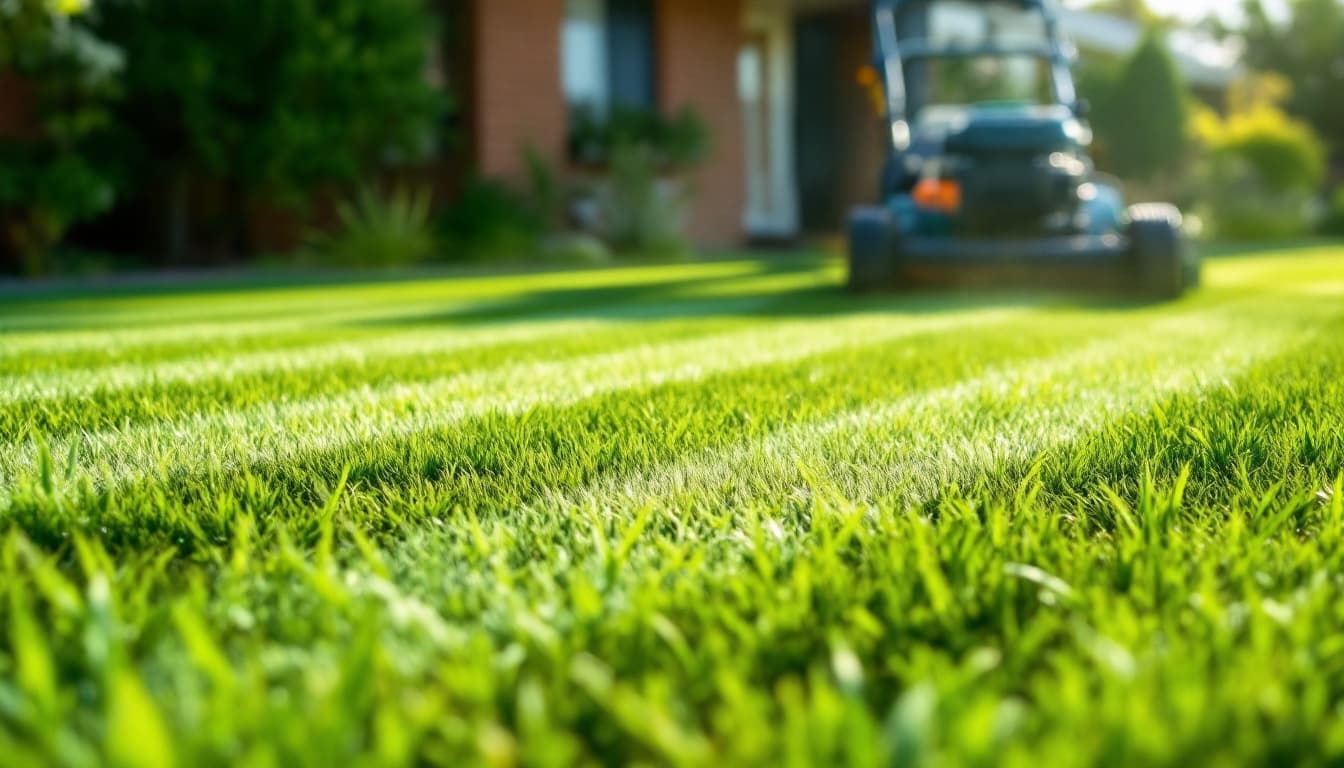
If you've watched a mowing crew finish up and noticed fine clippings left across the lawn instead of a bag full of grass hauled off in the trailer, the instinct is to assume they cut a corner. It's the opposite. Mulching the clippings back into the lawn instead of bagging them is the technically correct call, and bagging every mow is quietly costing you in fertiliser you're already paying to have applied separately.
What's Actually Happening When Clippings Are Left Down
Grass clippings are roughly 80-85% water by weight, which is why they break down so fast rather than sitting on top of the lawn. Left in place after a mow with a mulching setup, they filter down between the grass blades and are largely decomposed within about two weeks, at which point the nitrogen locked up in that plant matter becomes available to the lawn again. It's the same nutrient cycle that happens in any garden bed, just running on a much faster clock because clippings are almost entirely soft, freshly cut tissue rather than woody material.
This is worth separating clearly from thatch, because it's the most common objection to leaving clippings down. Thatch is a build-up of undecomposed stems, stolons, and roots at the soil surface, and it forms when a lawn produces vegetative growth faster than it can break down, usually from overwatering, over-fertilising with fast-release nitrogen, or infrequent mowing that lets growth get away between cuts. Grass blade clippings, on the other hand, are mostly water and break down quickly enough that they don't meaningfully contribute to a thatch layer on their own. Removing clippings doesn't prevent thatch. Managing growth rate and mowing frequency does.
The Numbers Behind the Trade-Off
University research on turfgrass clipping return has found that grass clippings left on the lawn can supply around a quarter of a lawn's total annual fertiliser requirement, and that the nitrogen from returned clippings shows up in actively growing grass in as little as two weeks. Conversely, lawns where clippings are consistently removed typically need somewhere in the order of 20-30% more fertiliser applied to maintain the same level of growth and colour, because that nitrogen is being bagged and taken away instead of cycling back into the soil.
For a subtropical lawn already under nitrogen demand through SEQ's long warm-season growing period, that's not a trivial amount to be throwing away with the clippings.
What Actually Makes Clipping Return Work Properly
Leaving clippings down only works well if the mowing itself is managed correctly. Done wrong, it does cause the clumping and matting people picture when they hear "we don't bag it."
- Mow to the one-third rule. Never remove more than a third of the grass blade's height in a single cut. Clippings from a properly timed mow are short enough to filter down to soil level and decompose quickly; clippings from an overgrown lawn are long, wet, and heavy enough to mat on the surface and shade out the grass underneath.
- Use a mulching blade for routine mows, not a high-lift bagging blade. A mulching blade re-cuts clippings into finer pieces before they drop, which is what allows them to settle between blades instead of sitting on top as visible clumps.
- Bag only after a genuine growth gap, such as returning from an extended break where the lawn has grown well past the one-third threshold. In that specific case, the clipping volume is too high to return safely, and SEQ's humidity means a heavy wet mat left on the surface is a fungal risk, not just a cosmetic one.
- Adjust fertiliser timing to account for what's already being returned. Applying a full-rate fertiliser program on top of consistent clipping return oversupplies nitrogen, which pushes excess soft growth and increases both mowing frequency and disease pressure rather than improving the lawn.
Where This Fits Into Regular Lawn Care
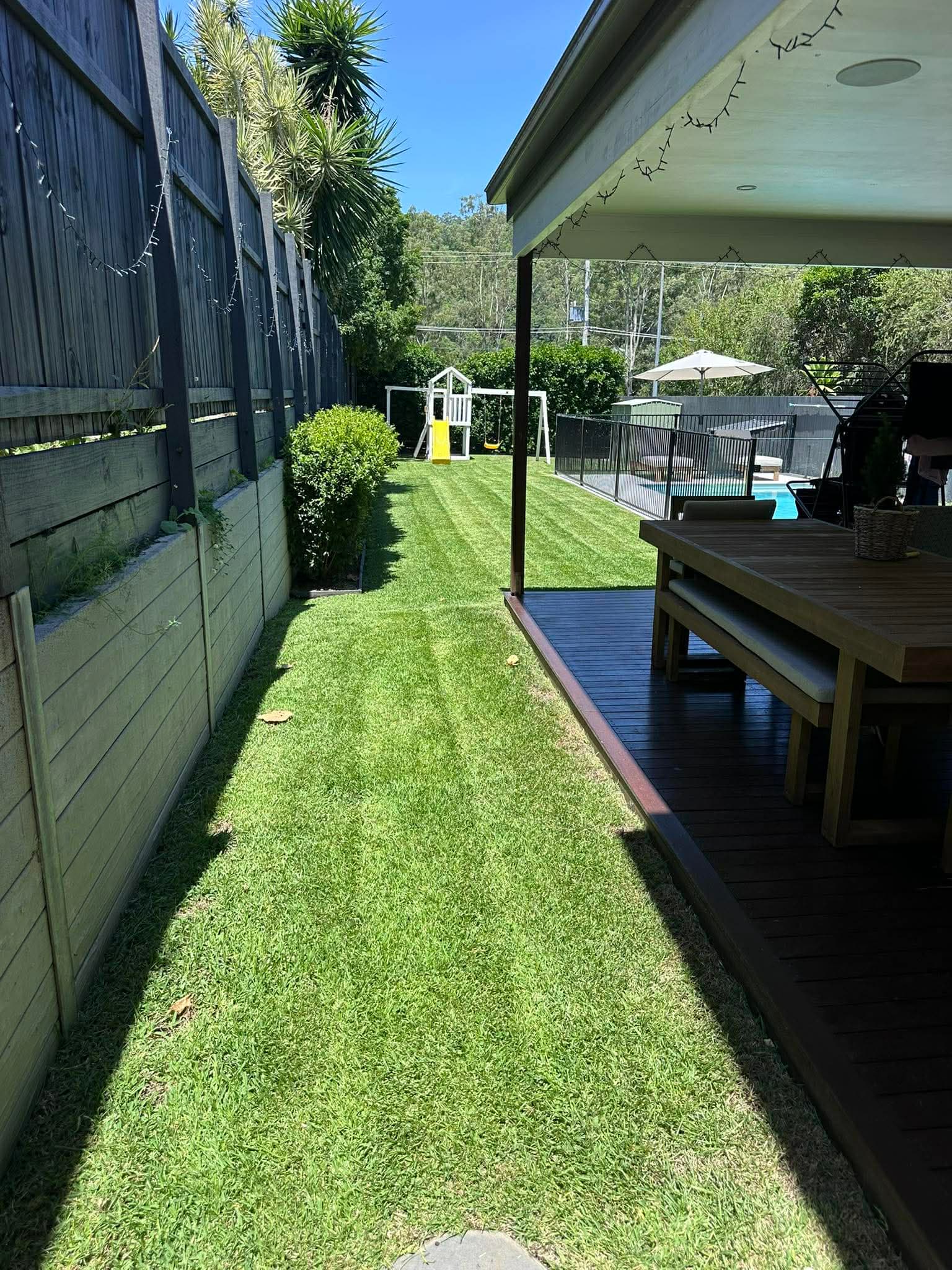
This is exactly the kind of detail that's easy to get backwards if you're judging quality by how much grass ends up in a bag rather than how the lawn is actually growing. Our lawn mowing & edging service mulches clippings back in as standard on properly timed visits, and when a weed management & fertilising program is running alongside it, the application rate is set with clipping return already factored in rather than stacked on top of it.