Overgrown Lawn or Empty Block? What It Costs to Get It Under Control in SEQ
13 September 2026
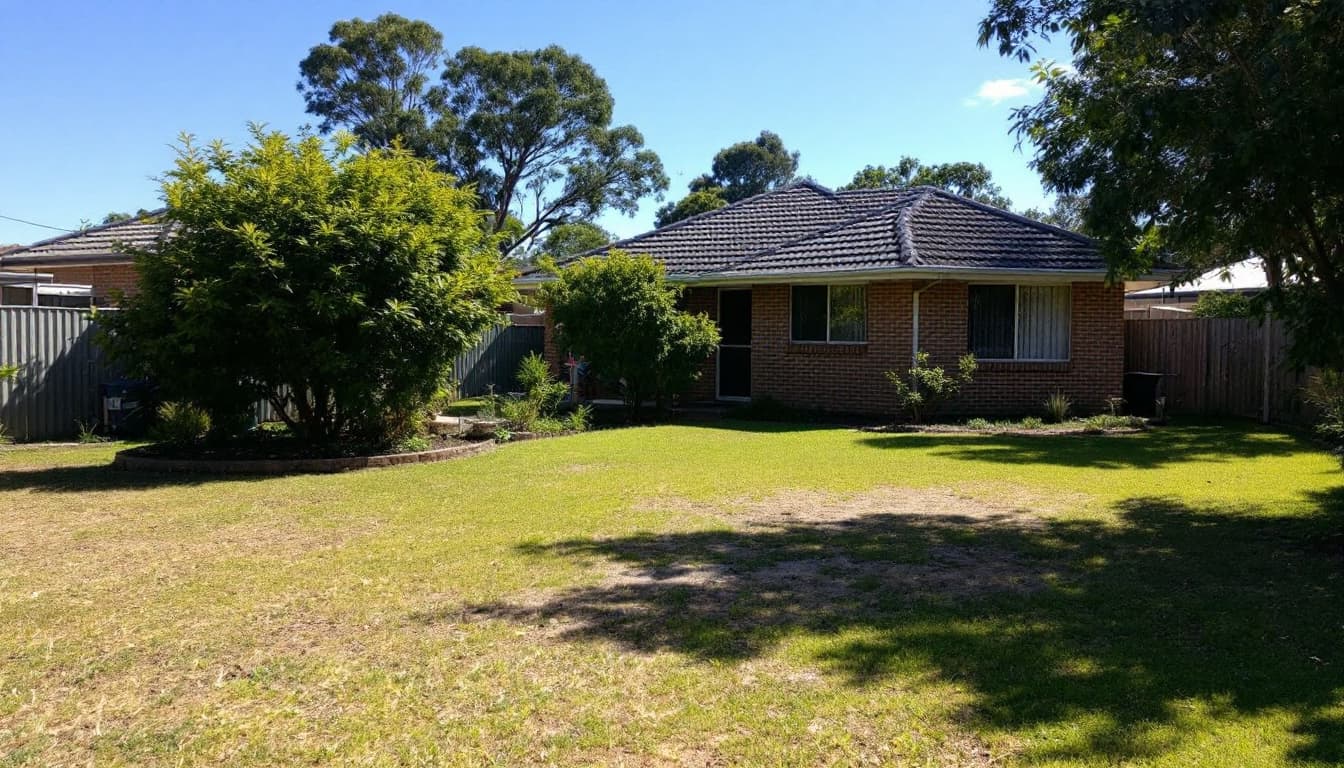
A knee-high block will typically cost 2 to 4 times a standard mow, and that's not a contractor padding the invoice, it's the physics of cutting fibrous, seeded, waterlogged grass with equipment built for weekly maintenance. In SEQ, an "overgrown" job usually means a multi-pass slashing operation, extra disposal logistics, and genuine safety checks before a blade ever spins, and understanding why gets you a fairer quote and no nasty surprises on the day.
Why Does an Overgrown Lawn Cost So Much More to Mow Than a Regular One?
The jump in price isn't arbitrary, it's mechanical. A standard rotary mower is designed to remove the top third of grass blades in a single pass, which is also the [horticulturally correct way to mow](https://www.brisbane.qld.gov.au/environment-and-water/plants, trees-and-gardening/sustainable-gardening): cutting shorter than that stresses the plant, increases evaporation from exposed soil, and actually promotes weed germination. When grass has been left for two, three, or six months, that "top third" rule breaks down completely. You can't take 40cm of growth down to 5cm in one hit without scalping the crown, clogging the deck, and stalling the engine every few metres.
This is why professional crews use a graduated approach: cutting high first (often with a brushcutter or slasher), then progressively lowering the deck over multiple passes. It's more time, more fuel, more wear on blades and belts, and often a completely different machine class. Brisbane City Council's own weed control guidance draws this exact distinction: slashing and mowing methods are best suited to different scales, with tractor slashers appropriate for large areas and mowers or whipper snippers reserved for small to medium blocks. A residential push mower simply isn't the right tool once grass has gone to seed and matted at the base.
What Actually Drives the Price on an Overgrown or Vacant Block?
Five factors determine the quote, and none of them are guesswork once a crew has actually seen the site:
- Growth height and density. Anything above knee height typically needs slashing before a finishing mow is even possible. Logan City Council uses 450mm as its practical threshold for grass being classed as an overgrown fire hazard, which is a useful mental benchmark for homeowners: if you're wading through it, you're past mower territory.
- Block size and access. A 600m² vacant block with clear access is a different job to the same size hemmed in by fences, garden beds, or a steep verge.
- Hidden hazards. Long grass conceals stumps, rocks, drainage pits, rubbish, and uneven ground. WorkSafe Queensland has documented serious tractor and slasher incidents, including a fatality, tied directly to obstacles hidden in overgrown terrain, which is why crews walk a site before committing a machine to it.
- Green waste volume. A first cut on a genuinely overgrown property can generate several times the clipping volume of a routine mow, which affects disposal time and cost.
- Wildlife and pest risk. Queensland's Department of Environment specifically flags long, unmaintained grass as snake habitat, and Logan Council adds that it also attracts rats, mice, and cane toads. This isn't scaremongering, it's a genuine reason crews move cautiously and often check the perimeter before starting.
What Does This Actually Cost in Brisbane and SEQ?
There's no single published rate card because every block is different, but the cost logic is consistent: a routine fortnightly mow on an established 400 to 600m² suburban block might run in the standard residential range, while a first-visit reset on the same block after months of neglect commonly lands at double to quadruple that, purely because of pass count, machine hours, and disposal.
Council intervention costs are a useful reference point for what "letting it go" really risks. Under local laws in Townsville and similar frameworks used across Queensland, if a property owner ignores a compliance notice, council contractors can enter the land, carry out the clearing, and then charge the owner both an administration fee and the full cost of the works as a debt against the property, recoverable in the same way as overdue rates. Getting ahead of it with a booked contractor is almost always cheaper than waiting for a notice.
What Should Happen on the First Visit to an Overgrown Property?
- Site walkover before any machine starts. The crew checks for stumps, rocks, holes, retic pop-ups, and snake activity, exactly the hazards WorkSafe Queensland flags as rollover and injury risks in long grass.
- Confirm the method: slash or mow. Anything past ankle-to-knee height and matted gets slashed or brushcut first, not run straight through a mower deck.
- Graduated cutting. Height is brought down in stages rather than scalped in one pass, protecting the crown of the turf and avoiding a stalled, clogged mower.
- Clipping and green waste management. Heavy first-cut volume is bagged or mulched separately. In fire ant biosecurity zones, which cover most of greater Brisbane and Moreton Bay, moving soil, turf, or mulch off-site carries real biosecurity obligations under the Biosecurity Act 2014, so reputable operators handle this material carefully rather than dumping it elsewhere.
- Timing. Work is scheduled within council-approved hours, generally after 7am (8am Sundays) and before [7pm](https://www.brisbane.qld.gov.au/environment-and-water/plants, trees-and-gardening/sustainable-gardening), to avoid noise complaints on residential streets.
- Follow-up plan. A one-off reset only holds if a regular mowing cycle follows, otherwise the block is back to knee-height within six to eight weeks over a Brisbane summer.
What's the Fastest Way to Get an Accurate Quote?
Photos and guesswork underquote almost every overgrown job, because height, density, and hidden hazards vary block to block, even within the same street. We see this constantly across our service area, from vacant lots in Redbank Plains to rental turnovers in Booval where grass has gone untouched for a full tenancy gap. The fastest way to a real number is a proper site assessment rather than a phone estimate.
Yard Guru is fully insured (including at heights) and handles overgrown resets, vacant block slashing, and ongoing mowing cycles across Brisbane, Ipswich, and Toowoomba. Check our mowing services for how we scope these jobs, or go straight to a free quote and we'll assess your block properly before quoting a cent.
Sources
- Brisbane City Council: Overgrown land, hazardous vegetation and unsightly objects
- Logan City Council: Overgrown and unsightly premises
- Townsville City Council: Overgrown and unsightly properties
- Brisbane City Council Weeds: Slashing and mowing control methods
- Business Queensland: Fire ant biosecurity obligations
- [Brisbane City Council: Sustainable gardening guidance](https://www.brisbane.qld.gov.au/environment-and-water/plants, trees-and-gardening/sustainable-gardening)
Common Questions
Why does mowing an overgrown lawn cost so much more than a regular mow?
A standard mower is built to remove only the top third of grass in one pass, so once growth reaches knee height it needs a graduated approach: slashing or brushcutting first, then multiple passes to lower the height gradually. This takes more time, fuel, and equipment wear, which is why overgrown jobs typically run 2 to 4 times the cost of a routine mow.
How tall does grass need to be before it's considered a fire hazard in SEQ?
Logan City Council uses 450mm as its practical threshold for grass being classed as an overgrown fire hazard, roughly knee height. If you're wading through it, it's generally past what a standard mower can handle and needs slashing first.
What happens if I ignore a council notice about overgrown grass on my property?
Under local laws used across Queensland (such as in Townsville), council contractors can enter the land, clear it themselves, and then charge the owner an administration fee plus the full cost of the works, recoverable as a debt against the property like overdue rates. Booking a contractor proactively is almost always cheaper than waiting for this to happen.