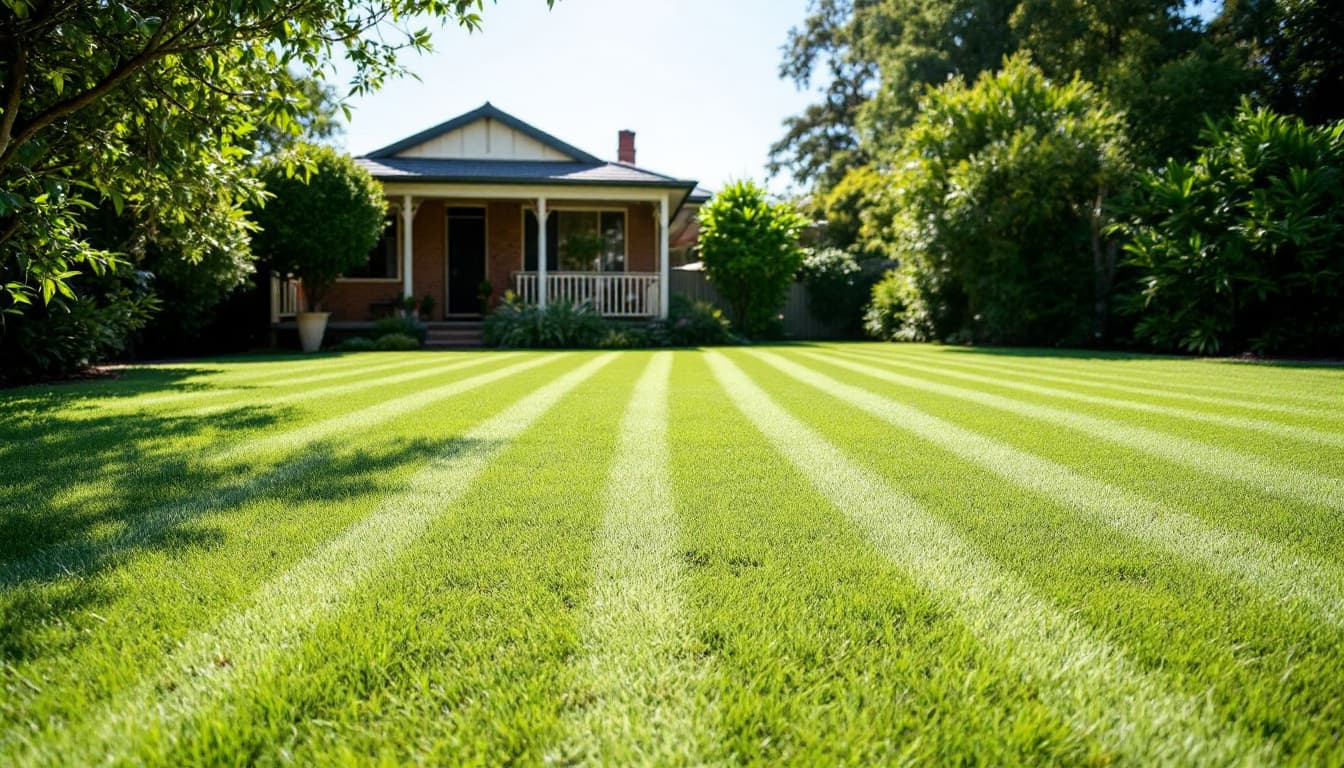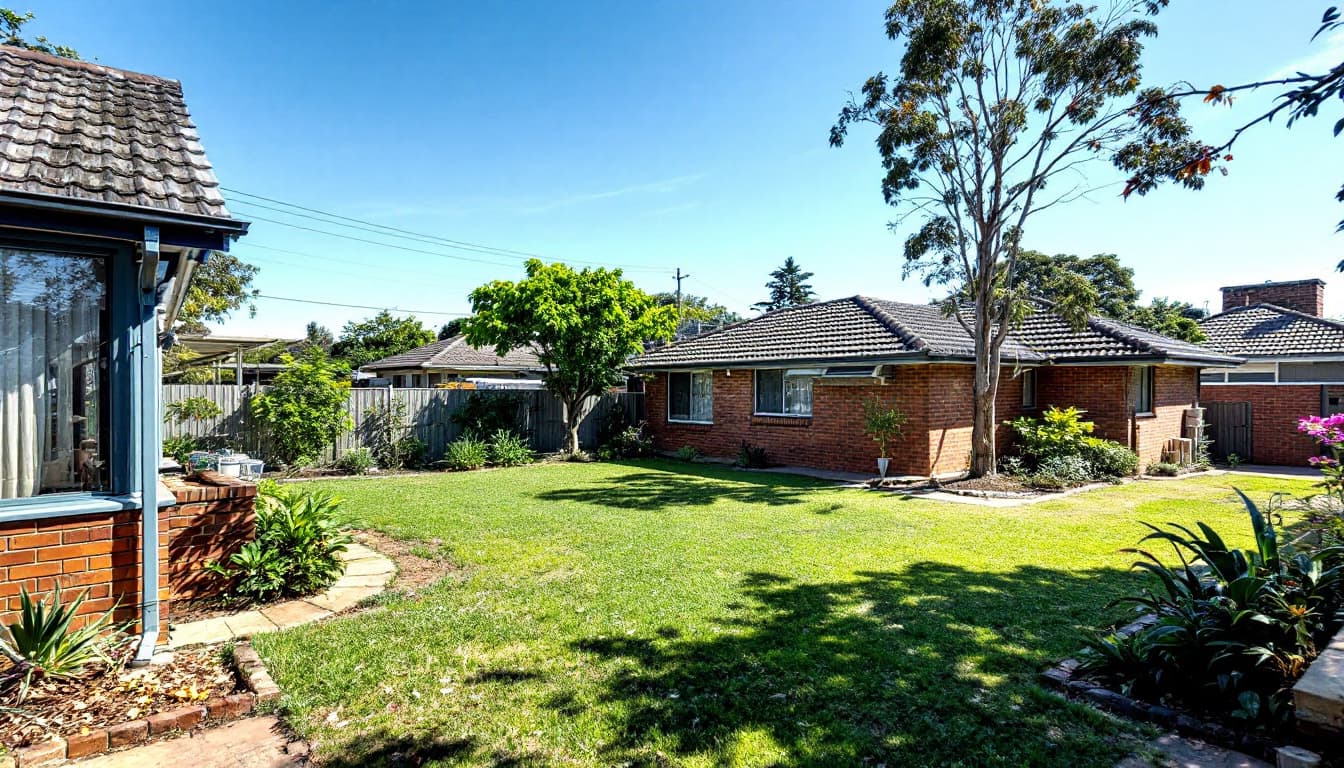
Right now (late winter into early September), lawn contractors across Brisbane are quietly upgrading their fleets, selling last season's zero-turns, standers and wheel lockers on used equipment forums to fund new machinery before spring growth hits. For homeowners, that equipment churn is a reliable seasonal signal: it means professional mowing crews are gearing up for the biggest growth surge of the year, and the booking calendar fills fast from mid-September onward.
Why Does Lawn Equipment Turnover Matter to Homeowners, Not Just Contractors?
It's not just industry gossip. Commercial mowing operators run their equipment on tight replacement cycles (typically 800 to 1,500 hours for a zero-turn before major componentry, like hydro-drive units or spindle bearings, starts costing more to fix than replace). Selling gear in July and August, ahead of the spring flush, means contractors are locking in fresh, reliable machines and often restructuring routes and client lists for the season ahead. If you've ever tried to book a mow in October and been told "next available slot is three weeks out," this is why: crews are already at capacity, running on schedules set in late winter.
The takeaway for homeowners is timing. The contractors who plan ahead (buying gear, mapping routes, locking in recurring clients) in August and September are the ones with functioning schedules once growth kicks off. Book after the grass has already gotten away from you, and you're competing for space with everyone else who left it too late.
What Actually Triggers the Spring Growth Surge in SEQ Lawns?
This isn't just "grass grows in spring," it's a specific soil temperature threshold. Buffalo and Couch, the two dominant turf types across Brisbane, Ipswich and Toowoomba, both require sustained soil temperatures above roughly 14 to 16°C at a 10cm depth before root and leaf growth accelerates meaningfully. Brisbane's average soil temperature typically crosses that threshold in early-to-mid September, coinciding with rising daytime air temps (BOM data shows Brisbane September averages climbing from a July mean max of around 21°C to closer to 25 to 26°C by late September).
Once that threshold is crossed, growth rate can effectively double within two to three weeks. A lawn cut every fortnight in August might need weekly attention by mid-October. Homeowners who don't adjust mowing frequency accordingly end up scalping their lawn (removing more than the recommended one-third of leaf blade in a single cut), which stresses the plant, exposes thatch to UV, and opens the door for fungal issues once the December to March storm season humidity arrives.
How Much Does Waiting Until Spring Actually Cost You?
Here's the practical cost comparison. A single ad-hoc mow booked reactively in Brisbane typically runs $50 to $90 for an average suburban block (around 400 to 600m² of lawn area), depending on overgrowth and access. But if you've let growth get away from you (say, four to six weeks of unchecked Buffalo growth after a wet start to spring), most contractors will charge a first-cut premium, often 30 to 50% above the standard rate, because of the extra clippings volume, blade wear, and time on-site.
Compare that to a recurring fortnightly service locked in during the August to September window: pricing is typically 15 to 20% cheaper per visit than one-off bookings, because it's scheduled, predictable work for the contractor. Homeowners in growth-heavy suburbs like Bridgeman Downs and Albany Creek, where larger acreage-style blocks with kikuyu-couch blends explode in growth once the spring rains start, see the biggest gap between "booked early" and "booked reactive" pricing.
What Should Brisbane Homeowners Do Before Spring Growth Kicks Off?
- Check your soil, not the calendar. If you can, get a cheap soil thermometer and check at 10cm depth. Once you're consistently above 15°C for a week or more, growth rate is about to shift.
- Lock in a recurring mow schedule now, not in October. Contractors setting routes in August and September are prioritising existing recurring clients first when demand spikes.
- Adjust your mowing height before growth accelerates. Buffalo should sit at 50 to 80mm, Couch tighter at 20 to 35mm. Cutting too low heading into the growth surge invites scalping stress.
- Clear drainage and thatch build-up now. SEQ's clay-sand transition soils (common across suburbs like Forest Lake and Redbank Plains) are prone to compaction and hydrophobic patches after a dry winter; a pre-spring aeration pass helps water and fertiliser penetrate once the storm season rains start.
- Budget for the December to March fungal risk window. Waterlogged, humid conditions after storms are prime territory for brown patch and fungal disease in Buffalo lawns; a well-timed mow height and airflow through the canopy matters more than any fungicide.
Why Book Professional Mowing Now Instead of DIY-ing the Spring Rush?
The equipment upgrades happening across the contractor scene right now aren't just shed clean-outs, they're a signal the professionals are preparing for a demand spike that catches most homeowners off guard every single year. Rather than scrambling for a same-week booking once your lawn's already gotten away from you, lock in a recurring mowing schedule while slots are still open.
Yard Guru's mowing crews service Brisbane, Ipswich, Toowoomba and greater SEQ with fully insured (including at heights) teams who know the difference between a Buffalo lawn in Fitzgibbon and a Couch-dominant block in Toowoomba's Middle Ridge, and mow accordingly. Check out our mowing services or get a quote before the spring rush fills the calendar.
Common Questions
When does grass actually start growing faster in Brisbane in spring?
Growth accelerates once soil temperature at 10cm depth stays above roughly 14 to 16°C, which typically happens in early-to-mid September in Brisbane. Once that threshold is crossed, growth rate can effectively double within two to three weeks, so a lawn cut fortnightly in August may need weekly mowing by mid-October.
Is it cheaper to book a lawn mowing service now or wait until spring?
Booking a recurring fortnightly service in the August to September window is typically 15 to 20% cheaper per visit than one-off bookings. If you wait and let growth get away from you, contractors often charge a first-cut premium of 30 to 50% above standard rates due to extra clippings and time on site.
Why is it so hard to get a same-week mowing booking in October?
Contractors set their routes and prioritise recurring clients back in August and September, ahead of the spring growth surge, so by October many crews are already booked out for weeks. Locking in a recurring schedule before the rush, rather than calling once your lawn has gotten away from you, is the main way to avoid the wait.